
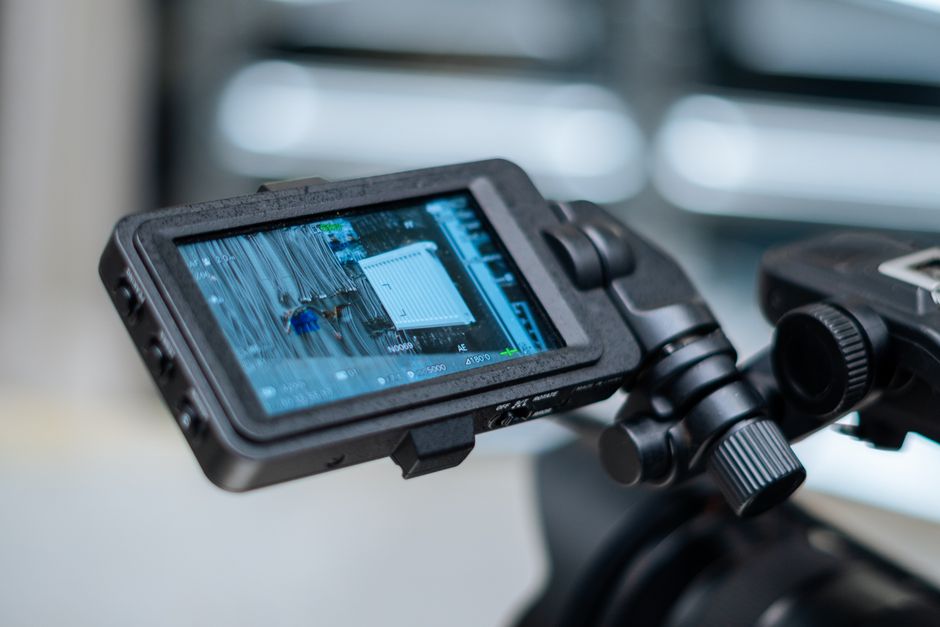
The toilet backs up on a Sunday. A homeowner works the plunger for ten minutes, hears the gulp, watches the water drop, and calls it solved. Three weeks later it backs up again, this time into the shower pan. Another plunge, another three weeks. By month four there's a damp patch on the hallway floor and a faint sewer smell near the baseboard. A camera finally goes down the cleanout and shows what was there the whole time: a hairline crack in 70-year-old vitrified clay pipe, a root ball growing through the joint, and two feet of standing water in a section that had dropped out of grade. The plunger was never fighting the clog. It was fighting the pipe.
Whittier's older tracts — the pre-1960 neighborhoods around Uptown, Hadley, and the College Hills slopes — are mostly clay tile or cast iron laterals, and much of that pipe is at or past the end of its service life. That's the context for the mistakes below.
1. Treating a repeat backup as a clog problem
What people do: plunge, then snake, then plunge again. It seems reasonable because it works every time — for a few weeks. A cable auger punches a hole through the obstruction and flow returns, which feels like a fix.
What actually happens is that the cable rides past the real defect. Ordered by likelihood in Whittier's housing stock, a lateral that clogs more than twice a year usually has root intrusion at a clay joint, a bellied or offset section that holds water and collects solids, or heavy scale and grease shelving on the pipe wall. None of those go away. Instead of a fourth snaking, get a video camera drain inspection with footage and a locator reading so you know the distance and depth of the defect. A camera run typically costs $200 to $500 nationally, and many shops credit it toward the repair.
2. Skipping the camera before you buy the house
Buyers spend $400 to $700 on a general home inspection and assume the sewer is covered. It usually isn't. General inspectors run water, watch the drains, and note "functional flow." Functional flow tells you nothing about a lateral 40 feet out under a driveway.
A full lateral replacement from the house to the city main runs roughly $4,000 to $15,000 nationally, and Whittier lots push toward the high end when the line crosses a mature street tree, a stamped concrete drive, or a hillside setback that requires shoring. Spot repairs on a single bad joint are far cheaper, often $1,500 to $4,000. The camera is the cheapest diligence money in the transaction. Ask for the recording, not a verbal summary.
3. Pouring chemical drain cleaner into an old cast-iron line
This is the genuinely dangerous one. Caustic and acid drain openers generate heat, and in a line that's already blocked they sit in the trap or on top of the obstruction rather than flowing through. Homeowners then plunge, and hot lye splashes back. Eye injuries from exactly this sequence are common enough that emergency departments have a name for them.
The second problem is the pipe. Sulfuric acid products attack the remaining wall thickness in corroded cast iron and can eat through a compromised section. If you've already added chemical cleaner, tell whoever comes out before they open a P-trap or run a cable — that's a safety issue for them. For a slow single fixture, pull the P-trap into a bucket and clean it by hand, or use a hand auger. Save the chemistry for never.
4. Assuming grease only matters in restaurants
Kitchen grease cools and congeals on the pipe wall, and in cast iron with rough interior scale it grabs hard. Over years it builds a shelf that narrows a 4-inch line to two inches of usable bore. Flow still looks fine at the sink, so nobody suspects anything until a load of laundry and a shower overlap.
A camera shows this immediately: the picture goes from round pipe to a lumpy cream-colored tunnel. That distinction matters because the fix is different. Cable snaking leaves grease behind; hydro jetting at 3,000 to 4,000 psi scours it off the wall. Jetting typically runs $350 to $800 for a residential lateral. Do not jet blind, though — if the camera shows a cracked or offset clay section, high-pressure water can worsen it. Inspect, then decide.
5. Ignoring the slow signals because nothing has overflowed yet
The symptoms that precede a lateral failure are quiet. Gurgling from a floor drain or tub when a toilet flushes means air is being pulled through a partially blocked line. A lawn strip that stays green through a dry September, or a soft spot near the driveway, suggests the line is leaking and irrigating the soil. Multiple fixtures slowing at once points at the main, not a fixture trap.
Triage plainly: one slow sink can wait a week. Two or more fixtures backing up, sewage appearing in a shower or floor drain, or water surfacing in the yard should be looked at the same day, because at that point you're managing contamination and structural damage, not inconvenience. On Whittier's slab-on-grade homes from the 1950s and '60s, under-slab cast iron that fails saturates the fill beneath the floor, and that's when a $3,000 repair becomes a $20,000 one with flooring and drywall attached.
6. Accepting a repair recommendation without seeing footage
Homeowners are told the line "needs to be replaced" and, having no way to verify it, either say yes immediately or refuse and live with backups. Both are expensive. A legitimate inspection produces a video file, a footage count where the defect sits (for example, "offset joint at 38 feet, 5 feet deep, under the parkway"), and a clear picture of pipe material.
With that in hand you can compare real options. Trenchless pipe bursting or cured-in-place lining typically runs $80 to $250 per linear foot and avoids tearing out hardscape; open-cut trenching is often cheaper per foot but adds concrete and landscape restoration. Sewer work in Whittier requires a permit and inspection, and a connection at the city main involves the public right-of-way — that's licensed-contractor territory, not a weekend project. Get two bids off the same footage.
7. Forgetting that the cleanout is the whole ballgame
Plenty of older Whittier homes have no accessible exterior two-way cleanout, or have one that was paved over during a driveway pour decades ago. Without it, a camera and a jetter have to enter through a pulled toilet or a roof vent, which limits reach and adds labor to every future service call.
Installing a proper cleanout typically costs $600 to $2,000 depending on depth and whether concrete has to be cut. It pays for itself the second time you need the line cleared, and it gives you a place to relieve pressure fast if the main ever backs up. If you don't know where yours is, find it now — a dry afternoon is a better time to go looking than a Sunday night with water rising.
The costliest mistake on this list is the quietest one: paying for the same drain cleaning three or four times over two years without ever putting a camera down the line. Four snakings at $250 each is a thousand dollars spent learning nothing, while roots widen the joint and water keeps eroding soil around the crack. The homeowner who spends $300 once on an inspection often finds a single bad section that can be spot-repaired for a few thousand. The one who keeps plunging usually meets the full replacement bill eventually — plus the flooring.